What are fungus gnats?
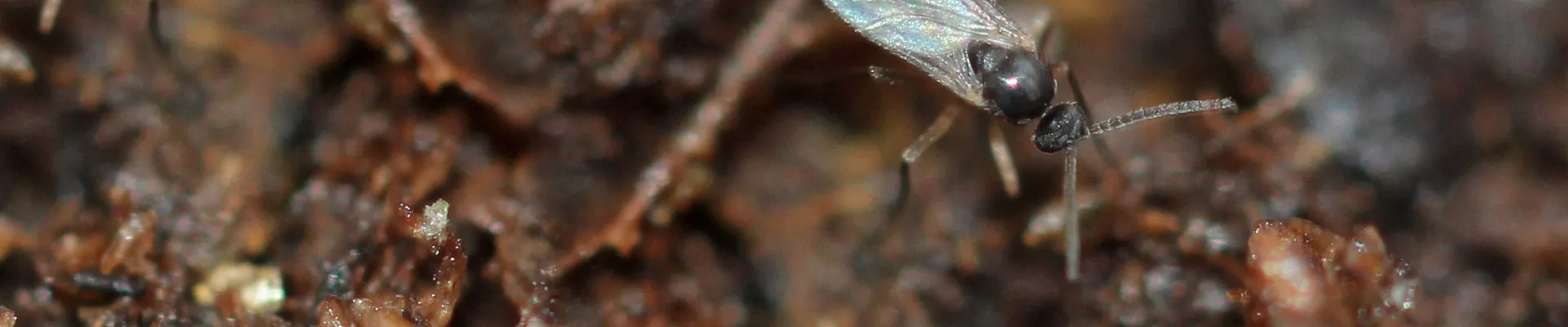
Fungus gnats (families Mycetophilidae and Sciaridae) are a common pest affecting indoor plants, especially where humidity and moisture levels are high.
What are the symptoms of fungus gnats?
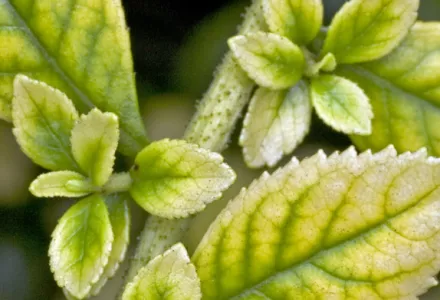
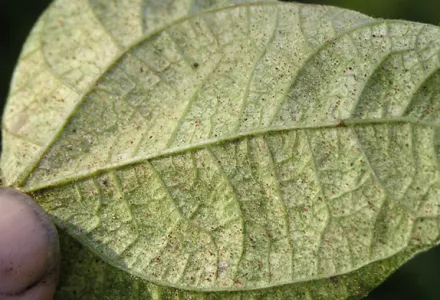
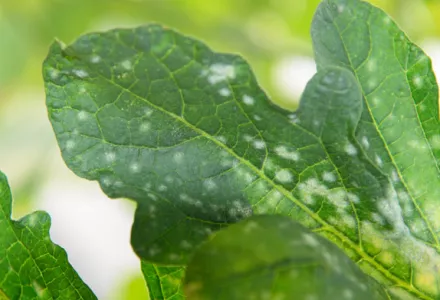
They are usually first noticed when the harmless adults are seen flying. Plant symptoms that indicate fungal gnats include sudden wilting, loss of vigor, poor growth, and yellowing of the leaves.
About fungus gnats in brief
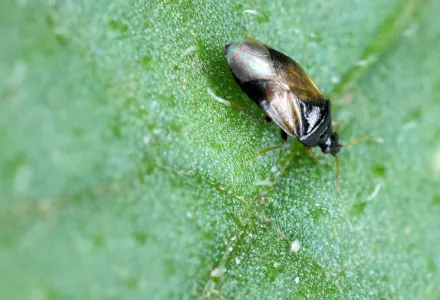
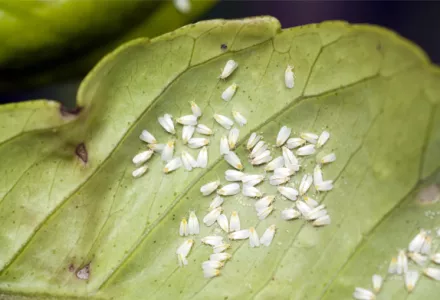
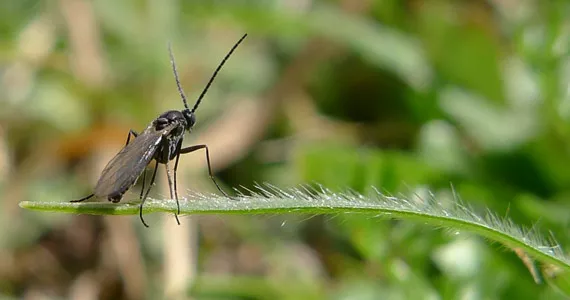
The adult fungus gnat is a small black fly, about 3-4 mm in length. They are attracted to humidity and decomposing organic matter, which serve as ideal conditions for their larvae. The larvae feed on organic matter, roots, and plant stems.
Biological cycle of fungus gnats
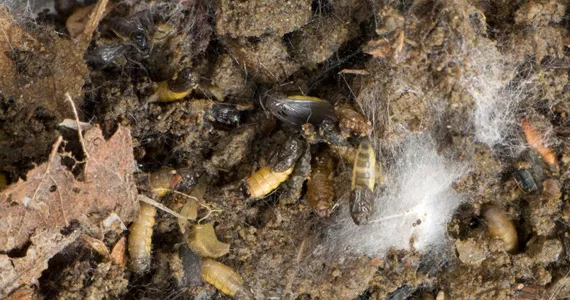
The entire life cycle from egg to adult may be completed in as little as 3-4 weeks, depending on the temperature. Eggs take 4-6 days to emerge into the larval stage, which lasts about 2 weeks till the pupal stage. This stage lasts about 3-4 days till becoming a young adult, which lasts about a week. Each adult female can lay up to 300 eggs. Due to fungus gnats' relatively short gestation period, multiple generations can be hosted at once, requiring repeated removal techniques till there are no surviving eggs.
Prevention techniques
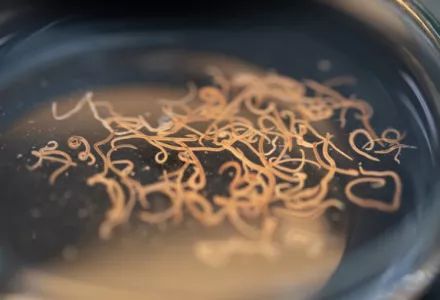
Fungus gnats do best in damp soils; be careful not to over water, especially during cooler periods when plants require less water. Be sure to promote sufficient air circulation to prevent stagnant, humid air. When introducing new plants, inspect the plants thoroughly prior to purchasing and look for signs of insect pests. Turn up the soil carefully and look for the glossy, clear larvae of fungus gnats.
Solutions for controlling fungus gnats
Allow the soil/substrate to dry to a depth of one to two inches between watering events. This not only kills the larvae and inhibits the development of eggs, it also makes the soil less attractive to egg-laying females.
Use yellow sticky traps placed horizontally at the soil surface to capture large numbers of egg laying adults. The gnats are attracted to yellow and can easily be removed by the trap before they can lay more eggs. An additional strategy is to use CANNA CONTROL to manage gnat infestations.