
What is Botrytis?
Botrytis cinerea is a necrotrophic fungus, which means that it kills its host to obtain all the nutrients it needs.
What are the symptoms of botrytis?
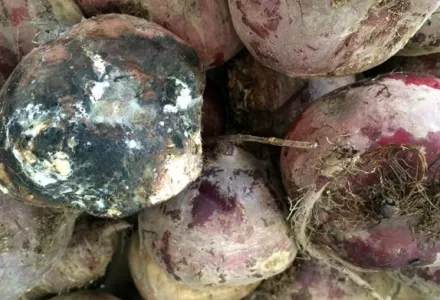
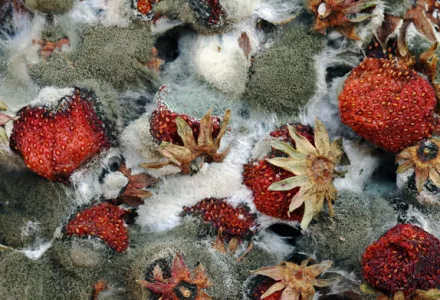
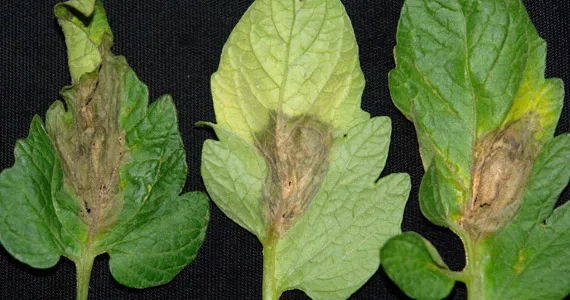
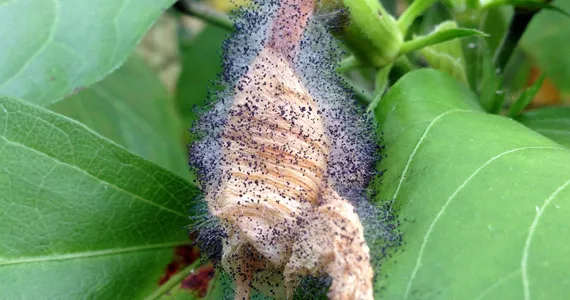
The fungal infection in flowers is not visible initially. The tissue on which it develops becomes dark, soft, translucent, brown/gray, and may look wet, due to the death of the host cells. In time, a layer of furry gray mold will form on these dark spots.
About Botrytis in brief
In nature it helps the nutrient recycling process of breaking down dead plant material. The fungus can also result in ‘noble rot’ on wine grapes, which occurs when wet conditions are followed by dry and can result in distinctive sweet dessert wines.
Biological cycle of Botrytis
Botrytis infection is favorable in high humidity, wet conditions of at least 6 hours, and mild temperatures of 60-70F. After a plant has been infected, vegetative fungal threads called mycelia grow inside the plant causing lesions. The fungus then creates spores, which can spread by air, water, or other physical movement. Overwintering reproductive structures called, sclerotia, can affect future crops after emerging from a dormant state.
Prevention techniques
Remove any infected plant parts and properly dispose of them away from the production site. Wash hands and change clothes after disposal. Minimize any potential for the spread of spores, since the slightest contact can send clouds of gray spores to cast on otherwise healthy plants.
Maintain adequate spacing, air flow, and ventilation in order to create a slightly lower humidity around the leaves and flowers. For outdoor crops, growing under tunnels allows for plant coverage and prevents plants from getting wet during rain events. It is also important to be vigilant against insect pests that can cause chewing damage the cuticle, since this allows Botrytis to infect the plant more easily.
Solutions for controlling Botrytis
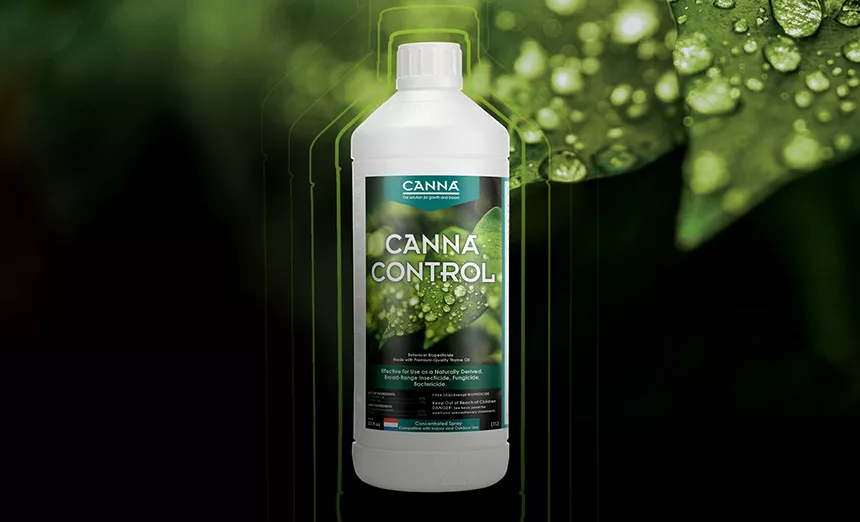
Horticultural oil applications containing thyme oil can reduce botrytis. CANNA CONTROL is a naturally-derived, thyme oil based formula that effectively manages botrytis. Several micro-organisms have proven successful in controlling B. cinerea in a wide variety of crops. Clonostachys rosea (AKA Gliocladium roseum) is a fungus that is used to combat and prevent botrytis attacks because of its ability to suppress the production of spores. Certain strains of Trichoderma harzianum have been shown to be helpful as well as bacteria of the genus Bacillus that are capable of producing substances that inhibit the growth of B. cinerea.
Further reading: Botrytis Cinerea: a highly infectious crop killer - in detail