What are thrips?
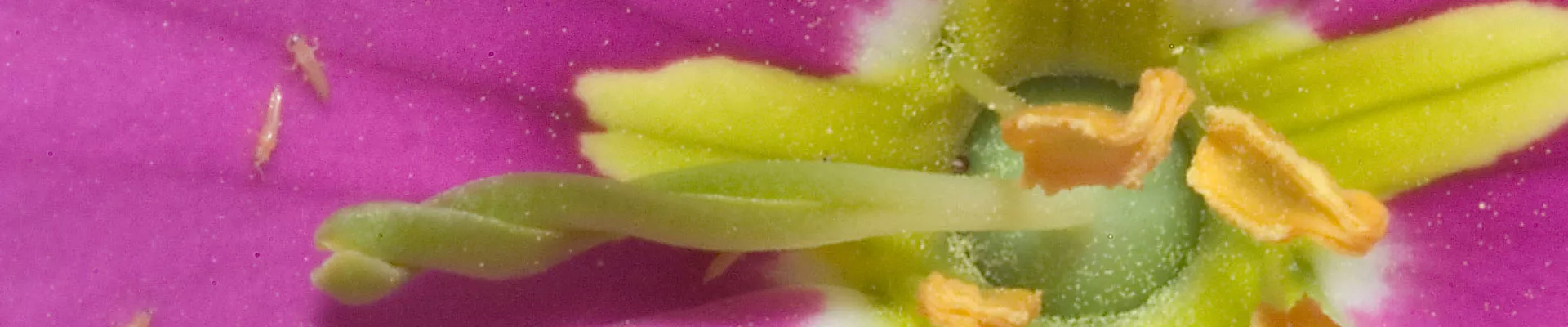
When we use the term thrips, we are referring to a wide group of insects of the order Thysanoptera.
What are the symptoms of thrips?
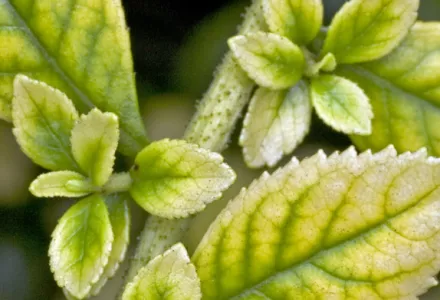
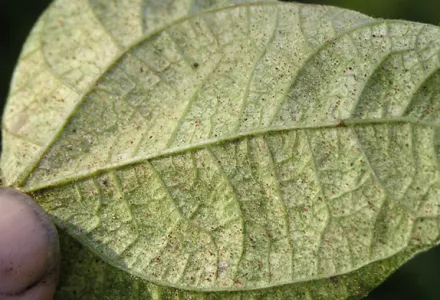
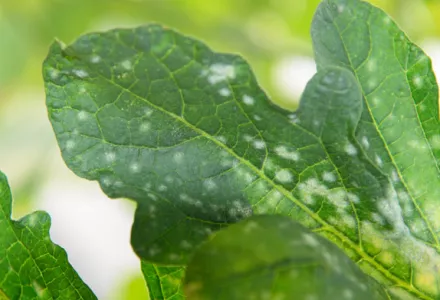
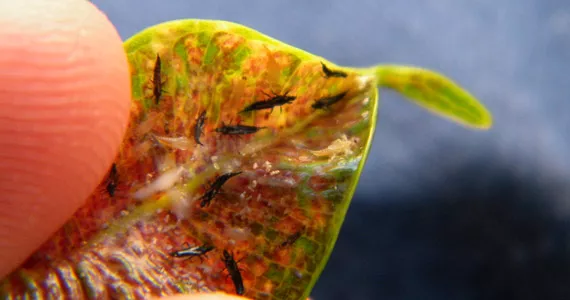
Larvae cause most of the damage seen by thrips by feeding on plant tissues, while adults primarily feed on pollen. The larvae suck the liquid from plant cells, mainly from the leaves, but also the petals, shoots and fruits. Early symptoms include an almost transparent or clear discoloration of the leaf with black dots (which are caused by fecal secretions).
Thrips larvae have rasping, sucking mouthparts that look like combs. They penetrate the top layer of leaves and a clear, undisturbed window of tissue is left behind. The saliva contains toxins that may cause deformations in shoots or flowers. Severe infestation causes dried leaves.
Because certain toxic substances are present in the saliva of thrips, some deformations may occur in the shoots or flowers of affected plants. In cases of very severe infestation, the leaves may dry up entirely. At the same time, some thrips like Frankliniella occidentalis secrete a few drops of a substance when they are threatened by predators. These excretions contain decyl acetate and dodecyl acetate – pheromones that serve as a warning signal for other nearby thrips.
About thrips in brief
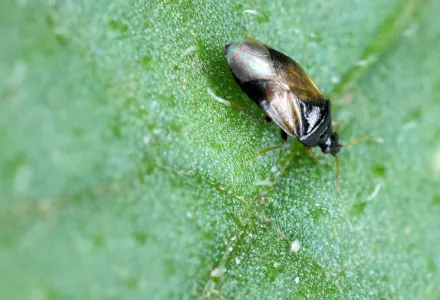
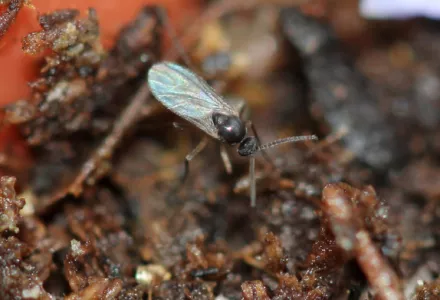
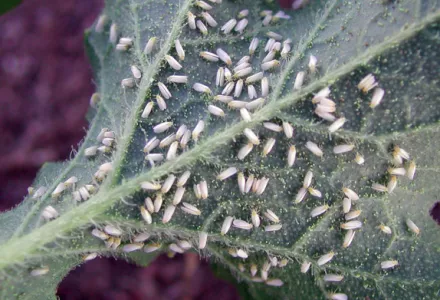
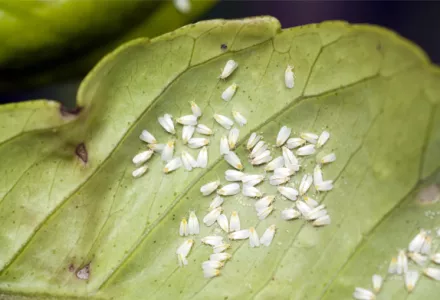
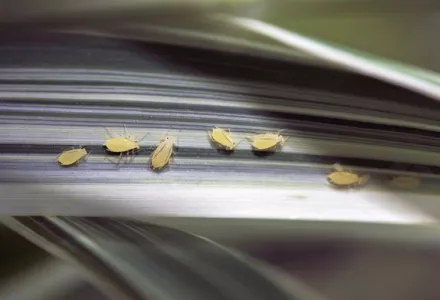
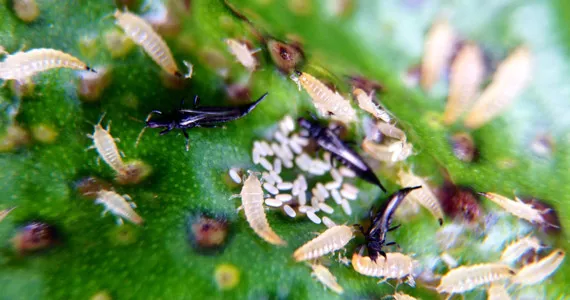
Thrips are recognizable by their small size and long flat shape. The adult thrips has four feathery wings. They can vary in color from gray to yellow or brown. Thrips are carriers of viruses, mainly of the genus Tospovirus.
Biological cycle of thrips
Thrips eggs are laid in plant tissue, where they emerge and begin eating the surrounding tissue. Eggs hatch more quickly in warmer temperatures. During the pre-pupal stage, they fall to the soil/substrate or lower leaves for the transition from pupa to an adult with wings. The whole life cycle is a few weeks long.
Prevention techniques
Monitor thrips by using adhesive traps. Blue is more attractive to thrips, while yellow traps are also suitable and may be easier to detect. Examine the traps every few days.
Solutions for controlling thrips
If you detect thrips, appropriate treatments include horticultural plant extract applications, such as thyme oil, or ecological insecticides such as potassium soap, can be applied. Plants must be sprayed thoroughly all over because the thrips will take refuge under the veins of the leaves, making it difficult for the insecticide to come into contact with all the insects. CANNA CONTROL is a naturally-derived, thyme oil based formula that effectively manages thrips.
It is also possible to use entomophagous fungi to combat thrips, such as Beauveria bassiana. Parasitoids from the families Eulophidae and Trichogrammatidae, anthocorid bugs of from the genus Orius, and phytoseiid mites can also help. It is also important to make sure that you clean up and remove any plant or soil residues from the floor or worktops.